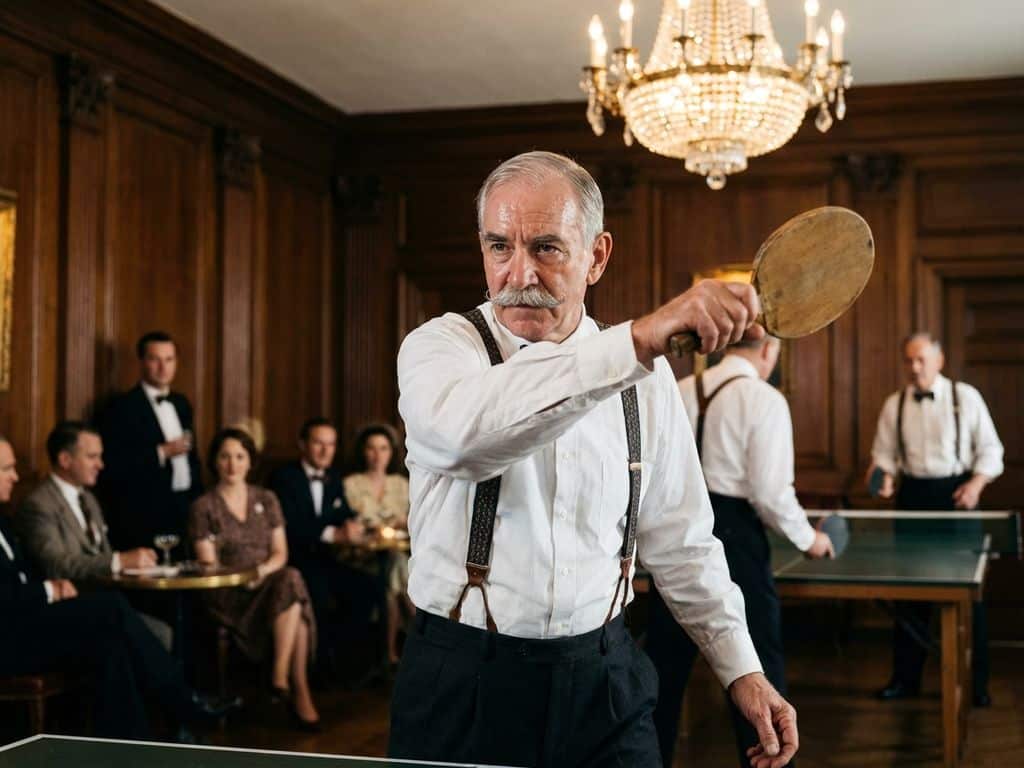
Manhattan’s table tennis clubs have hosted an impressive array of celebrities, athletes, and cultural icons throughout the decades. From Olympic champions and Hollywood stars to Wall Street executives and renowned artists, these exclusive venues became gathering places where competitive play met high society. The city’s unique ping pong culture attracted diverse personalities who elevated the sport from casual recreation to sophisticated entertainment.
What famous celebrities and athletes played table tennis in Manhattan’s exclusive clubs?
Manhattan’s premier table tennis venues attracted Olympic champions like Marty Reisman and Richard Miles, Hollywood celebrities including Susan Sarandon and Forest Whitaker, and cultural icons from the art and music worlds. These famous ping pong players NYC helped establish the sport’s credibility among Manhattan’s elite social circles, transforming ping pong from a basement game into a sophisticated entertainment option.
The legendary Marty Reisman, often called the “Wizard of Table Tennis,” became synonymous with Manhattan table tennis culture during the mid-20th century. His flamboyant playing style and showmanship attracted crowds to venues throughout the city, inspiring a generation of players who saw ping pong as both sport and performance art.
Wall Street executives discovered that table tennis Manhattan clubs provided the perfect environment for networking while engaging in competitive play. The sport’s fast-paced nature and emphasis on strategy appealed to business professionals who appreciated games that mirrored the quick thinking required in financial markets.
Artists and musicians gravitated towards Manhattan’s ping pong scene because it offered a creative outlet that complemented their artistic pursuits. The venues became informal galleries where painters, sculptors, and performers could connect with patrons and fellow creatives in a relaxed yet stimulating environment.
A leading player in that Manhattan club scene was national champion Marty Reisman, the 1958 and 1960 titleholder known as The Needle.
8 ping pong social clubs · US & Toronto
Bring your group to SPIN
Ping pong tables for up to 10, party packages, and private events with food, drinks and a DJ. Pick your city to book.
Which Manhattan clubs became legendary for their table tennis culture?
The Manhattan Club on the Upper East Side and various private social clubs in Midtown became legendary for their table tennis culture during the 1960s through the 1980s. These venues combined traditional club amenities with high-quality ping pong facilities, creating exclusive environments where members could enjoy competitive play alongside fine dining and sophisticated social interaction.
Private clubs in the Financial District attracted Wall Street professionals who used ping pong as a way to conduct informal business meetings. These venues featured multiple tables in dedicated game rooms, allowing for tournaments and league play that became integral parts of Manhattan’s professional networking culture.
Downtown establishments in SoHo and Tribeca began incorporating ping pong tables during the 1990s, attracting artists and creative professionals. These venues pioneered the concept of combining table tennis with art exhibitions, live music, and craft cocktails, creating the blueprint for modern Manhattan table tennis history.
The transformation continued into the 2000s, when innovative venues began hosting legendary ping pong parties in loft spaces throughout Manhattan. These gatherings drew diverse crowds of artists, musicians, bankers, and professional players, creating vibrant communities around the game that influenced the development of contemporary ping pong social clubs.
Modern venues like ours at SPIN continue this tradition by offering Olympic-grade tables with premium Stiga equipment across multiple Manhattan locations. Our table-booking service accommodates groups of up to 10 guests, maintaining the social aspect that made Manhattan’s ping pong culture legendary while providing authentic playing environments for all skill levels.
How did ping pong transform from basement games to Manhattan’s social scene?
Ping pong evolved from informal basement gatherings to Manhattan’s sophisticated social scene through the influence of charismatic players, strategic venue placement, and the integration of fine dining and entertainment. The transformation occurred gradually as venues recognized that combining competitive table tennis with premium amenities created unique social experiences that appealed to diverse demographics.
The shift began when traditional social clubs started installing professional-grade ping pong tables alongside their billiards and card rooms. This elevation in venue quality attracted serious players while maintaining the social atmosphere that made the sport appealing to casual participants.
Table tennis legends Manhattan played crucial roles in this transformation by demonstrating that ping pong could be both highly competitive and entertaining. Their exhibitions and teaching attracted new players who might never have considered the sport, expanding the community beyond traditional athletic circles.
The integration of food and beverage service around ping pong areas created natural gathering spaces where players could socialize between matches. This combination proved particularly successful in Manhattan, where space constraints made multi-purpose venues essential for sustainable business models.
Cultural events surrounding ping pong, including art exhibitions and live music performances, attracted Manhattan’s creative communities. These events demonstrated that table tennis venues could serve as cultural hubs rather than simply sports facilities, broadening their appeal and establishing their place in the city’s entertainment landscape.
The role of media and celebrity endorsements
Media coverage of celebrity ping pong matches and high-profile tournaments helped legitimize the sport within Manhattan’s social circles. When respected cultural figures embraced table tennis, it signaled to others that the sport was worthy of serious attention and participation.
What made Manhattan’s table tennis scene different from other cities?
Manhattan’s table tennis scene distinguished itself through the seamless integration of competitive play with networking, cultural events, and premium dining experiences. Unlike in other cities, where ping pong remained primarily recreational, NYC ping pong culture embraced the sport as a sophisticated social activity that brought together diverse communities in uniquely Manhattan ways.
The city’s density and diversity created natural mixing opportunities that other locations couldn’t replicate. Manhattan venues attracted players from various backgrounds—financial professionals, artists, international visitors, and local residents—creating dynamic environments where different perspectives and playing styles converged.
Manhattan’s emphasis on space efficiency led to innovative venue designs that maximized both playing and socializing opportunities. Venues learned to create intimate yet energetic atmospheres within limited square footage, developing layouts that encouraged interaction between tables and social areas.
The integration of art and music into ping pong venues became a defining characteristic of Manhattan social clubs table tennis culture. Local artists created custom installations while DJs curated soundtracks that enhanced the playing experience without overwhelming it, creating environments that felt more like cultural events than traditional sports facilities.
Manhattan’s late-night culture allowed ping pong venues to extend their hours and attract different crowds throughout the day. Venues could serve business lunches, after-work networking events, and late-night entertainment, maximizing their community impact and financial sustainability.
The influence of international players
Manhattan’s status as an international destination brought world-class players to local venues, elevating the standard of play and attracting serious competitors. These visiting players often conducted impromptu exhibitions and coaching sessions, enriching the local table tennis community with global perspectives and techniques.
Culinary innovation and ping pong
Manhattan venues pioneered the concept of chef-driven menus designed specifically for ping pong players. These offerings balanced nutrition and convenience, creating shareable plates that enhanced the social experience while providing proper fuel for competitive play.
The beverage programs at Manhattan table tennis venues became equally sophisticated, featuring craft cocktails and wine selections that complemented the social atmosphere. This attention to culinary detail distinguished Manhattan’s approach from that of cities where ping pong remained primarily athletic rather than social.
Today’s table tennis venues continue this Manhattan tradition by offering comprehensive entertainment experiences that honor the sport’s competitive aspects while celebrating its social potential. Our locations maintain this legacy through Olympic-grade equipment, carefully curated food and beverage programs, and environments designed to foster the connections that made Manhattan’s ping pong scene legendary.
The evolution of ping pong celebrities New York culture demonstrates how Manhattan’s unique characteristics—diversity, density, cultural sophistication, and social innovation—combined to create something truly distinctive. Modern venues build upon this foundation, ensuring that the spirit of Manhattan’s legendary table tennis scene continues to thrive and evolve for new generations of players and socialites. Experience modern table tennis culture that honors this rich Manhattan tradition.
Related Articles
- What's the best venue option for a group celebration on a weeknight?
- How do you rebuild group energy after a failed outing?
- Why do collaboration-focused corporate events in Seattle outperform standard conference formats?
- How do you follow up after team building events to maintain momentum?
- What fun team building activities work best for large groups?