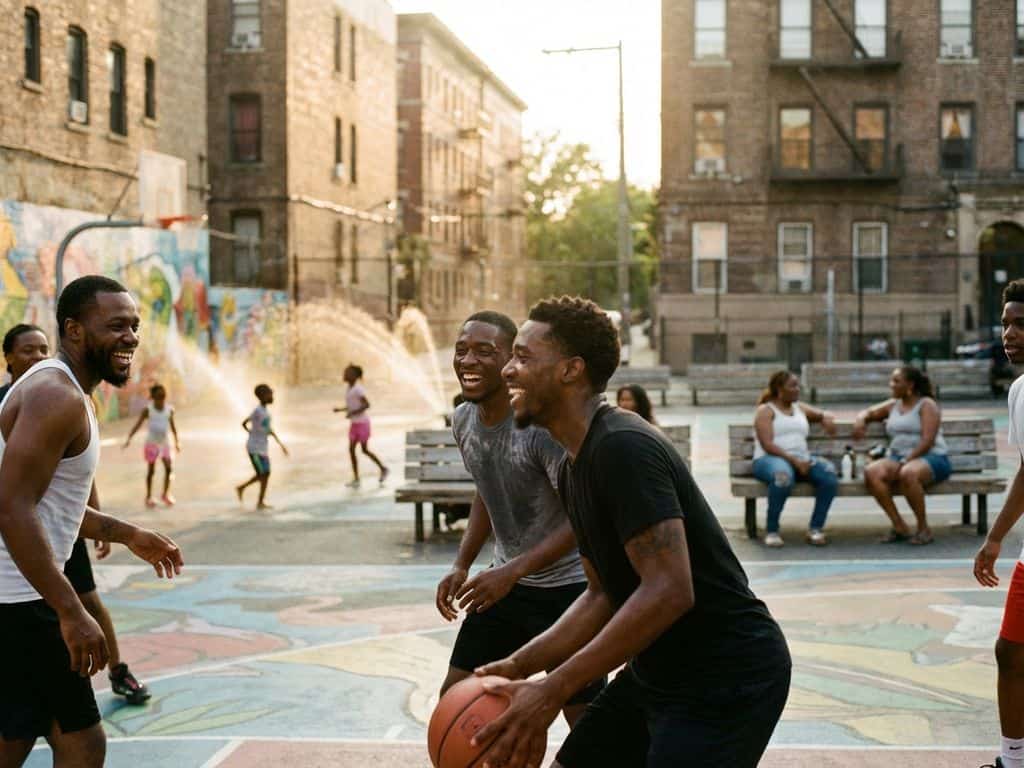
Urban recreational activities offer powerful social benefits that strengthen communities and improve individual well-being. These activities create natural opportunities for face-to-face interaction, reduce social isolation, and build lasting connections across diverse groups. From recreational sports to community venues, urban activities foster social connection, community engagement, and shared experiences that enhance both mental health and neighbourhood bonds.
What are the main social benefits of participating in urban recreational activities?
Urban recreational activities enhance social connections by bringing diverse groups together in shared spaces, reducing isolation through regular interaction, and building community bonds that strengthen neighbourhood relationships. These activities improve mental health through positive social engagement and create opportunities for meaningful relationships across different backgrounds and age groups.
The social connection aspect of urban recreational activities extends far beyond simple entertainment. When people participate in activities like ping pong, basketball, or community sports, they naturally engage in conversation, share experiences, and develop friendships that often continue outside the activity itself. These interactions help combat the isolation that many urban residents experience in busy city environments.
Community engagement flourishes when recreational activities provide regular gathering points for neighbours and colleagues. Weekly games, tournaments, or casual drop-in sessions create consistent opportunities for people to interact, building familiarity and trust within communities. This regular interaction strengthens social networks and creates support systems that benefit entire neighbourhoods.
The mental health benefits emerge from both the physical activity and social interaction components. Engaging with others in enjoyable activities reduces stress, provides emotional support, and creates positive associations with social situations that encourage continued participation and relationship building.
8 ping pong social clubs · US & Toronto
Bring your group to SPIN
Ping pong tables for up to 10, party packages, and private events with food, drinks and a DJ. Pick your city to book.
How do recreational sports like ping pong help people connect in cities?
Recreational sports like ping pong break down social barriers by creating inclusive environments where people of different backgrounds, ages, and skill levels can interact naturally. The accessible nature of these activities encourages participation regardless of experience, while the game structure facilitates conversation and relationship building through shared play experiences.
The beauty of recreational sports lies in their ability to create immediate common ground between strangers. Ping pong, for example, requires minimal equipment and can be enjoyed by beginners and experienced players alike. This accessibility means that professionals, students, artists, and families can all participate together, creating diverse social mixing that might not occur in other settings.
Urban wellness improves when recreational sports provide structured yet relaxed social interaction. The game format naturally creates conversation starters, friendly competition, and opportunities for encouragement and coaching between players. These interactions often lead to deeper conversations about work, interests, and life experiences, fostering genuine connections.
The inclusive nature of recreational sports helps bridge cultural and socioeconomic differences that might otherwise prevent social interaction. When people focus on enjoying a game together, superficial differences become less important, allowing authentic relationships to develop based on shared enjoyment and mutual respect.
Why are social recreational venues important for urban community building?
Social recreational venues serve as essential community hubs that bring together diverse groups in welcoming environments, creating regular gathering opportunities that strengthen neighbourhood connections. These dedicated spaces provide accessible entertainment options while fostering social interaction through shared activities, comfortable settings, and inclusive atmospheres that encourage community engagement.
Community hubs like recreational venues address a critical need in urban environments where people often lack natural gathering spaces. Unlike bars or restaurants that primarily serve specific demographics, recreational venues attract diverse crowds united by interest in activities rather than age, income, or lifestyle factors. This diversity strengthens community bonds by connecting people who might never otherwise interact.
The regular gathering aspect creates consistency that allows relationships to develop over time. When people know they can find familiar faces and welcoming environments at specific venues, they’re more likely to participate regularly, building the repeated interactions necessary for meaningful community connections.
These venues also provide safe, inclusive spaces for social activities that welcome families, young professionals, and community groups alike. By offering multiple ways to engage beyond just the primary activity, they create environments where different comfort levels and social preferences can coexist, making community participation accessible to more people.
What makes recreational activities more socially beneficial than other entertainment options?
Recreational activities promote face-to-face engagement and active participation rather than passive consumption, encouraging collaboration and friendly competition that build lasting relationships. Unlike passive entertainment alternatives, interactive recreational activities create shared experiences through direct engagement, conversation, and mutual participation that foster deeper social connections and community bonds.
The interactive nature of recreational activities requires participants to engage directly with others, creating natural opportunities for conversation and relationship building. While passive entertainment like movies or concerts can be enjoyed together, they don’t necessarily facilitate the personal interaction and communication that strengthen social bonds. Social activities like ping pong, board games, or sports require collaboration, communication, and shared decision-making.
Social entertainment venues that focus on recreational activities create environments designed for interaction rather than individual consumption. The physical setup encourages mingling, the activities require partner participation, and the atmosphere promotes conversation and engagement. This stands in contrast to entertainment options that isolate individuals even when they’re in groups.
The collaborative and competitive elements of recreational activities create shared emotional experiences that bond participants. Whether celebrating a good shot, encouraging a teammate, or laughing at mistakes together, these shared moments create positive memories and emotional connections that extend beyond the activity itself. The benefits of ping pong include not just improved physical coordination but also social skills development through regular positive interaction with diverse groups of people.
Urban recreational activities transform city living by creating the social connections that make communities thrive. Through accessible sports, welcoming venues, and interactive entertainment options, these activities address the isolation that urban environments can create while building the relationships that make cities feel like home. The combination of physical activity, social interaction, and community engagement provides comprehensive benefits that enhance both individual well-being and neighbourhood strength. Discover more about urban recreational opportunities and how they can strengthen your community connections.